The Birds That Never Came Home: Long-Term Data Reveal Population-Level Impacts of Ocean Plastic Pollution
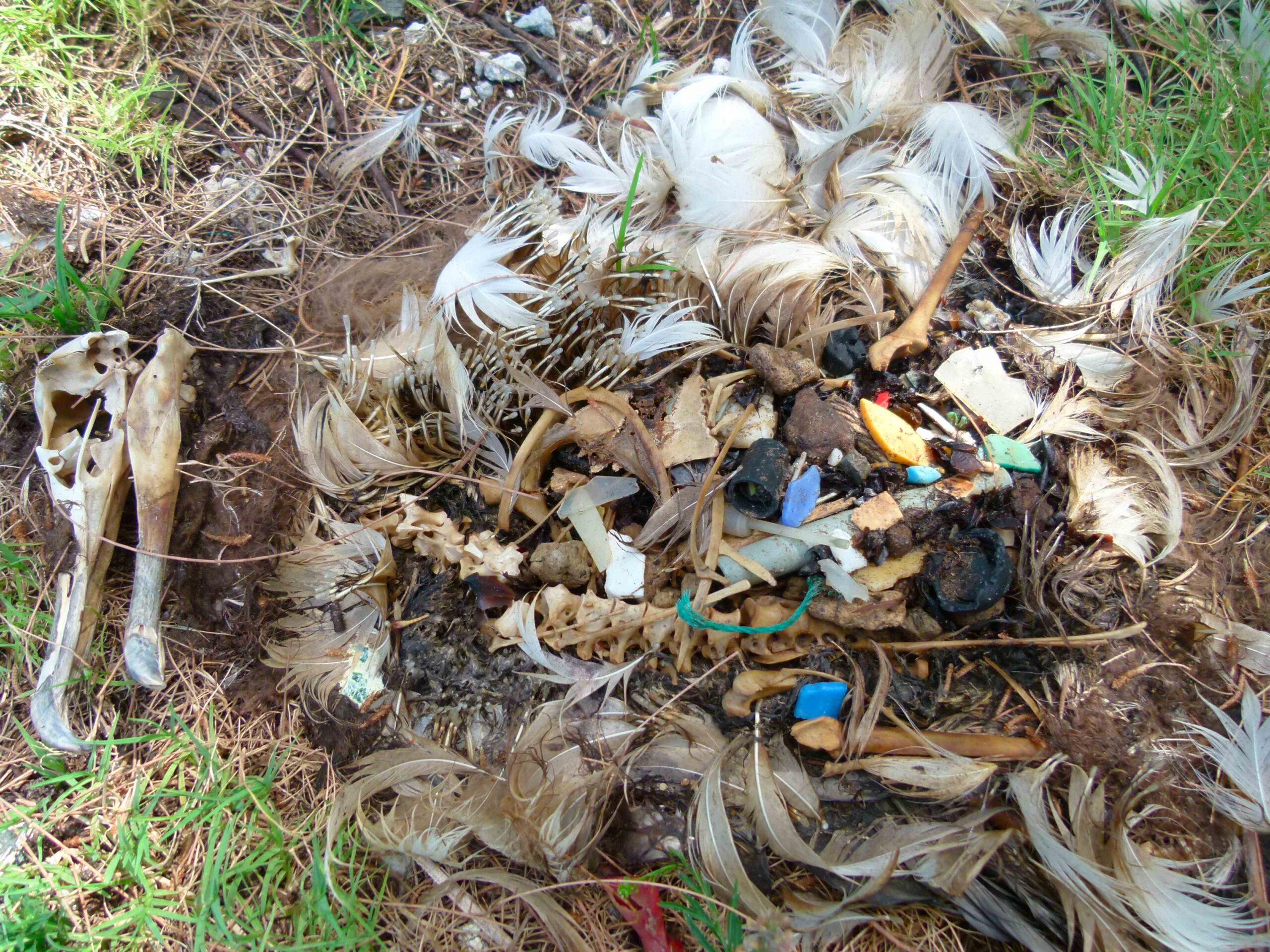
For decades, scientists have documented plastic inside the stomachs of seabirds. We have measured it, weighed it, counted it, photographed it, and described the damage it causes. But one critical question remained unanswered:
Does plastic pollution actually affect wildlife populations?
Now, after 15 years of monitoring one of the world’s most extraordinary seabird study systems, we finally have an answer.
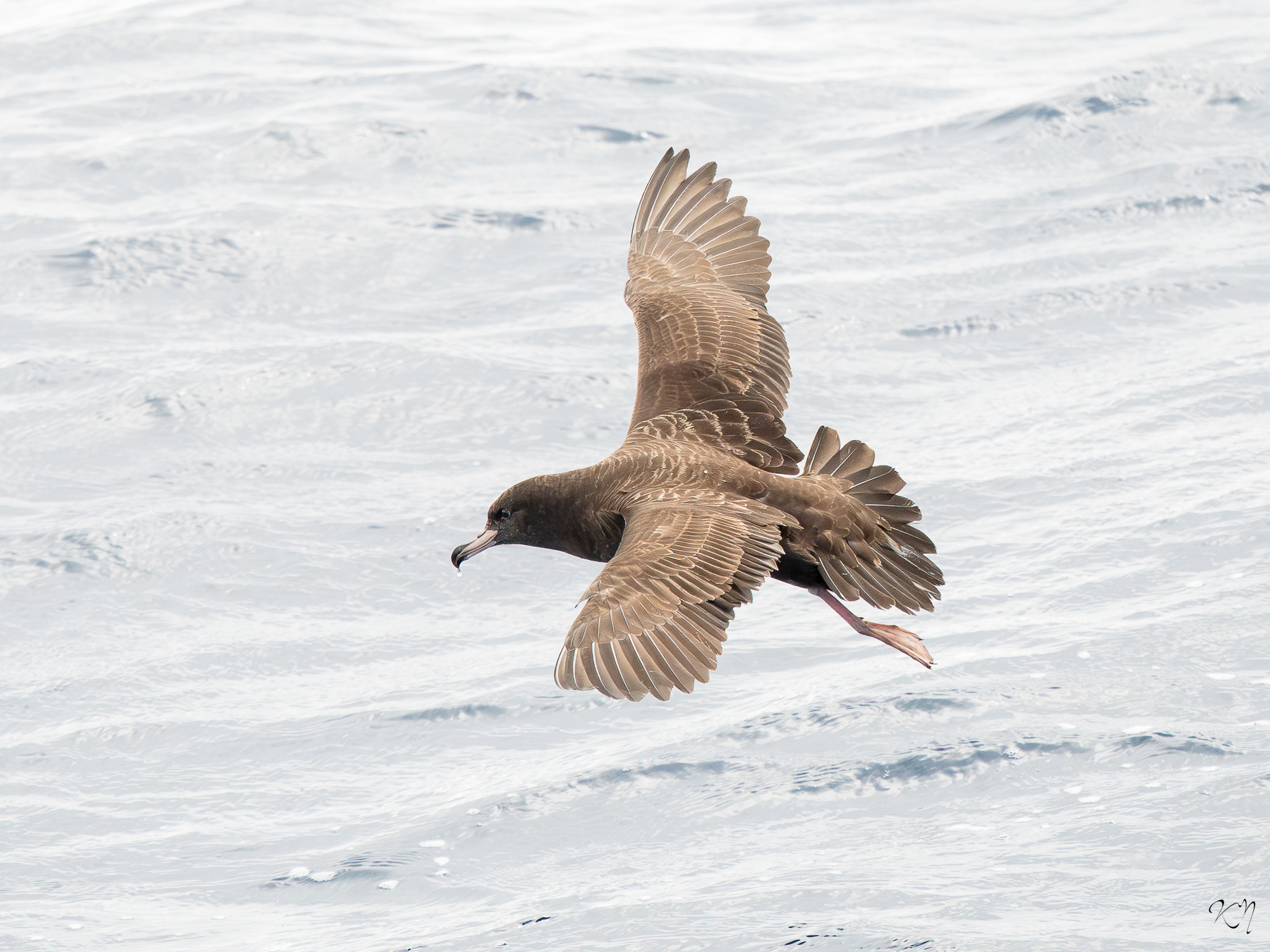
In a new paper published in Proceedings of the National Academy of Sciences, we show that plastic ingestion dramatically reduces the chances that young Sable Shearwaters (Ardenna carneipes) survive and return home to breed. Birds containing more than 5 grams of plastic were almost never seen again.
This is the evidence conservation scientists have been searching for.
A Question 45 Years in the Making
Back in 1980, researchers studying seabirds and plastic pollution identified a simple but profound challenge: determine whether plastic affects survival and population dynamics. Since then, thousands of studies have documented plastic pollution around the globe, yet definitive evidence linking plastic ingestion to population-level consequences remained elusive.
Part of the problem is that seabirds are difficult to study. Many species spend years roaming vast oceans before returning to breed. Most die far from land, making it almost impossible to know what happened to them. As a result, critics often argued that while plastics might harm individual birds, there was little proof they affected populations.
In fact, at a conservation meeting in 2016, one of us was told bluntly: “Plastics don’t affect populations; stop wasting your time and focus on things that matter.”
That comment has stayed with us ever since. This study is our response.
The Power of Long-Term Data
Some scientific questions cannot be answered in a few months or even a few years. They require patience, persistence, and a commitment to collecting data long after funding cycles and media attention have moved on.
The Lord Howe Island Sable Shearwater project is exactly that kind of study.
Since 2010, researchers from Adrift Lab have been banding chicks, measuring their body condition, and carefully quantifying how much plastic they contain when they leave their nesting burrows. Years later, teams return to the island night after night, searching for those same birds when they come back as breeding adults, 6, 7, 8, or even 9 years on.
Globally, there are very few opportunities to connect individual plastic exposure with eventual survival. Lord Howe Island is uniquely suited for this work. It supports the world’s largest colony of Sable Shearwaters, threats such as introduced predators are relatively limited, and decades of monitoring provide an unparalleled record of individual birds throughout their lives.
Without this long-term dataset, these results simply would not exist.
What We Found
The findings were striking.
Young birds that contained no plastic had about a 31% probability of surviving their years at sea and returning to Lord Howe Island to join the breeding population. As plastic loads increased, that probability steadily declined.
A bird carrying just 0.5 grams of plastic showed a substantial reduction in recruitment probability. By 2 grams, the chance of returning had roughly halved. Birds with more than 5 grams of plastic were almost never recaptured as adults.
On Lord Howe Island, these aren’t rare outliers. Around 10–20% of fledglings ingest more than one gram of plastic each year, and some contain more than 10 grams.
Many of those birds leave the island looking like successful fledglings. Most never come back.
The Hidden Mortality Problem
This is one reason plastic’s impacts have been so difficult to detect.
Traditionally, seabird monitoring focuses on breeding success—whether chicks survive long enough to leave the nest. By that measure, many colonies can appear healthy. But our results show that fledging is not the end of the story.
A chick may successfully leave its burrow while carrying a stomach full of plastic. It may already be suffering reduced body condition, organ damage, inflammation, and other physiological effects associated with plastic exposure.
The bird is alive. But its future is compromised.
Much of that mortality likely occurs far out at sea, invisible to researchers and conservation managers alike. Our study reveals this hidden loss for the first time.
Why This Matters
These findings arrive at a critical moment.
Global plastic production continues to rise, and plastic pollution is now recognised as one of the defining environmental challenges of our time. Yet policymakers have repeatedly asked for evidence that plastics affect wildlife populations rather than just individual animals.
We can now provide that evidence.
The Sable Shearwater population on Lord Howe Island has been declining for decades. Plastic pollution is unlikely to be the only cause, but our results demonstrate a clear mechanism through which plastic ingestion can reduce recruitment and contribute to long-term population decline.
For conservation, this is a watershed moment.
For years, the impacts of plastic pollution have been dismissed as speculative, unproven, or secondary to “more important” threats. Long-term monitoring on Lord Howe Island has finally allowed us to connect the dots between plastic exposure, survival, and population processes.
The birds have been telling us this story all along.
We just needed fifteen years—and a globally unique study system—to hear it.
We are immensely grateful to the Lord Howe Island community, the Lord Howe Island Board, and the Natural History Museum for continually supporting us and our work. This would have been impossible without the assistance of countless community members, students, volunteers, visitors, and other researchers who joined us in the colony to band and search for birds.
Recent news posts

Subscribe for updates
Keep up to date with what we’re working on! We’ll send you emails about the lists you opt in to, and you can unsubscribe at any time.