Fledgling shearwaters, failed tags, and a hidden hotspot: what we learned in the Solomon Sea
A Sable Shearwater chick leaves Lord Howe Island only once as a fledgling. It has never flown further than the burrow entrance, never fed itself, and never seen the open ocean.
Within days it has to work out where to go, how to get there, and how to survive on the way. Our latest paper, just published in Animal Biotelemetry, followed thirty of these young birds on that first journey, and what we found points to a place few people have ever thought to look: the Solomon Sea.
A journey we did not expect
We attached solar-powered GPS tags to fledgling Sable Shearwaters (Ardenna carneipes) as they prepared to leave Lord Howe Island in 2022 and 2024. What the birds did next was remarkable. Within two weeks they had travelled, on average, nearly 1,000 kilometres, with one bird covering almost 1,200 kilometres in a single day. Then, in week three, something consistent happened across both years: every tracked bird arrived in the Solomon Sea and stayed there, moving only short distances east to west, sometimes for weeks.
That kind of consistency, in a species undertaking its first ever migration, is striking. Adult Sable Shearwaters are known to use nearby waters, but this is the first evidence that fledglings converge on the Solomon Sea so quickly and so reliably. It suggests the region is doing something important for young birds during one of the most dangerous periods of their lives.
Why the Solomon Sea matters
The Solomon Sea is oceanographically unusual. Strong currents move through a maze of islands and straits, drawing nutrients up from the deep and enriching the surface waters. It is a global hotspot for nitrogen fixation, warm enough year round to support the productivity that underpins entire food webs. Coral, reef fish, and seagrass diversity here rank among the highest in the world.
Despite this, the Solomon Sea is barely represented in seabird research and is not even included in the West Pacific Ocean Flyway, most likely because so few surveys have passed through at the right time of year. Marine protected areas in the region are small, coastal, and unlikely to capture the offshore waters our birds were using. Juveniles are, once again, missing from the map. Our results give conservation planners a genuine starting point: a place, a season, and a species that needs it.
When the technology lets you down
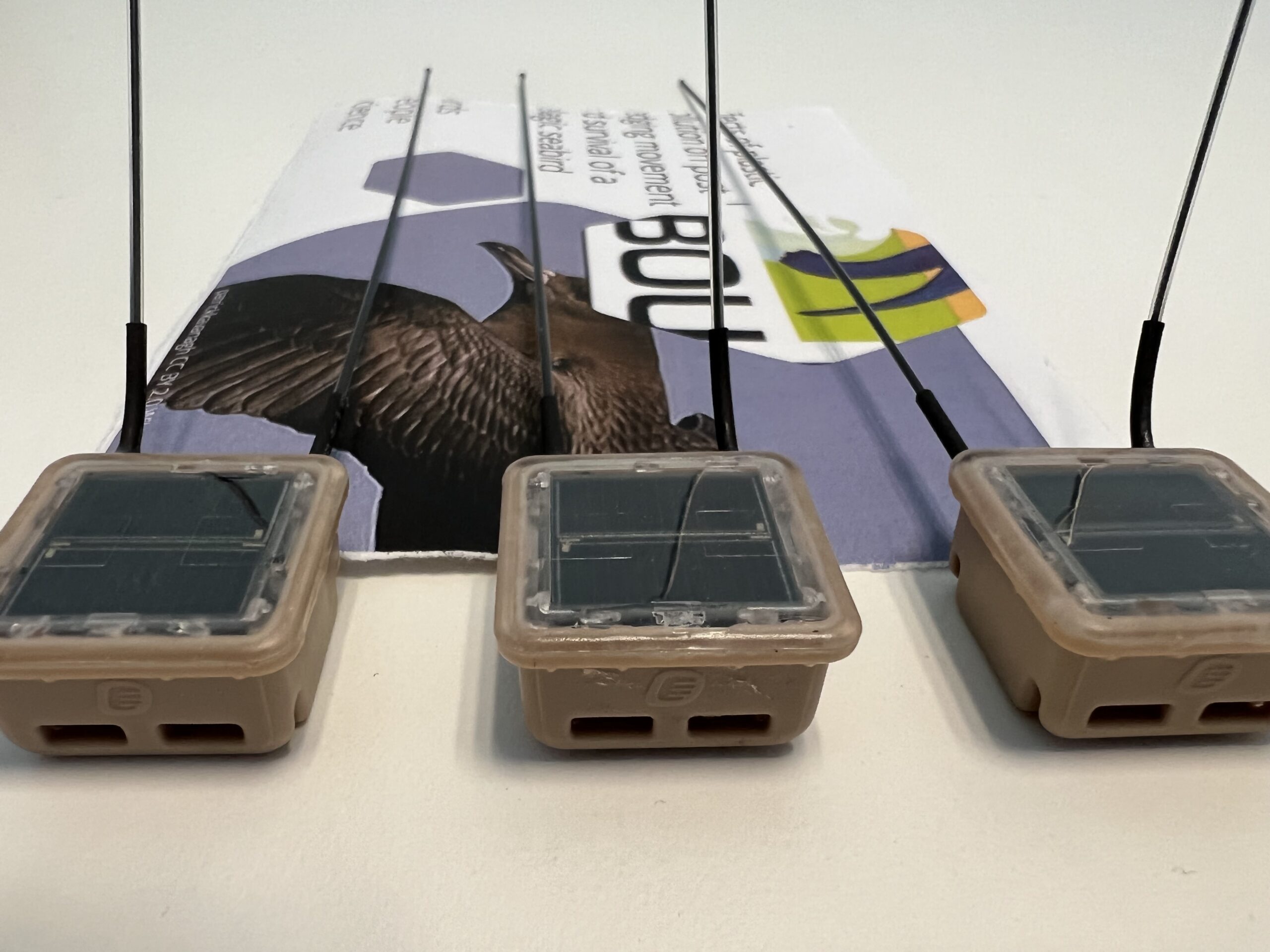
Tracking newly fledged seabirds is hard, and this project reminded us why. Nearly a third of our 2022 tags stopped transmitting within the first two weeks, some after only a handful of fixes. Three more were defective before they even left the ground. A separate fault meant the accelerometer data we rely on to detect mortality never came through properly, so for many of the silent tags we simply cannot say whether the logger failed or the bird did.
We changed what we could. For the 2024 deployment we moved to loggers with seven times the battery capacity, hoping to keep birds transmitting for longer. Fieldwork like this is iterative by necessity. Every season teaches you something about your equipment that the manufacturer’s specifications never will.
Making the most of a ‘failed’ project
It would be easy to describe a study where a third of the tags failed and the mortality data never arrived as a disappointment. We prefer to think of it differently. Even with an imperfect dataset, the birds that did transmit told a consistent, coherent story across two entirely separate years, and that consistency is itself a strong signal. A messy dataset that agrees with itself twice is more convincing than a tidy one collected only once.
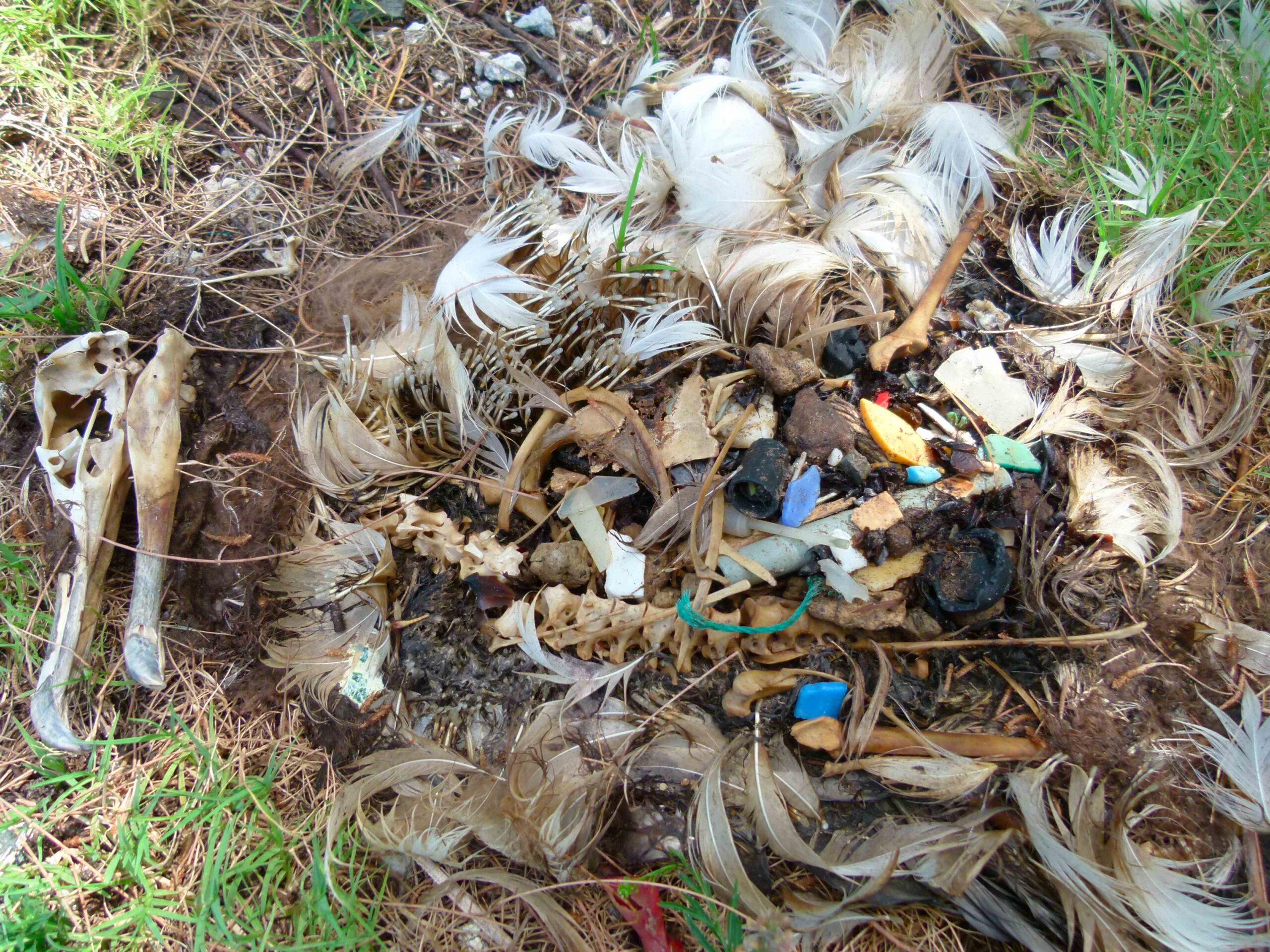
The gaps in our data also matter in their own right. We know that three quarters of the shearwaters in this study had ingested plastic, some carrying close to 20 grams of it, and that Sable Shearwater survival to breeding age is markedly lower than in closely related species. Put those facts alongside a near third of tags going silent within days of fledging, and the missing tracks stop looking like noise. They start looking like exactly the kind of early mortality this population is known to experience. We could not prove it directly this time, but the pattern is one we will be watching for.
This is, in many ways, how community-funded, cooperative science works best. We do not have the luxury of writing off a season because the hardware underperformed. We look hard at what we did get, we ask why the gaps look the way they do, and we come back better equipped the next time. None of this would have been possible without the generosity of our supporters, from the Gibbs family and the British Ornithologists’ Union to the many individuals who back Adrift Lab’s work directly.
What’s next
Our findings make a clear case for including juvenile seabirds in marine spatial planning, and for taking a serious look at the Solomon Sea as a stopover site worth protecting. We also now have a better idea of what we need from our tracking equipment, and where the next generation of tags needs to improve. Fieldwork on Lord Howe Island continues, and so does our push to understand what plastic pollution is doing to these birds long after they leave the colony.
You can read the full paper, open access, in Animal Biotelemetry. And if you would like to help fund the next season of tracking, Adrift Lab relies entirely on community and philanthropic support to keep this work going.
Recent news posts

Subscribe for updates
Keep up to date with what we’re working on! We’ll send you emails about the lists you opt in to, and you can unsubscribe at any time.