Adrift Lab study generates new data on plastic ingestion in sharks from the Bass Strait
by Varun Nadesh
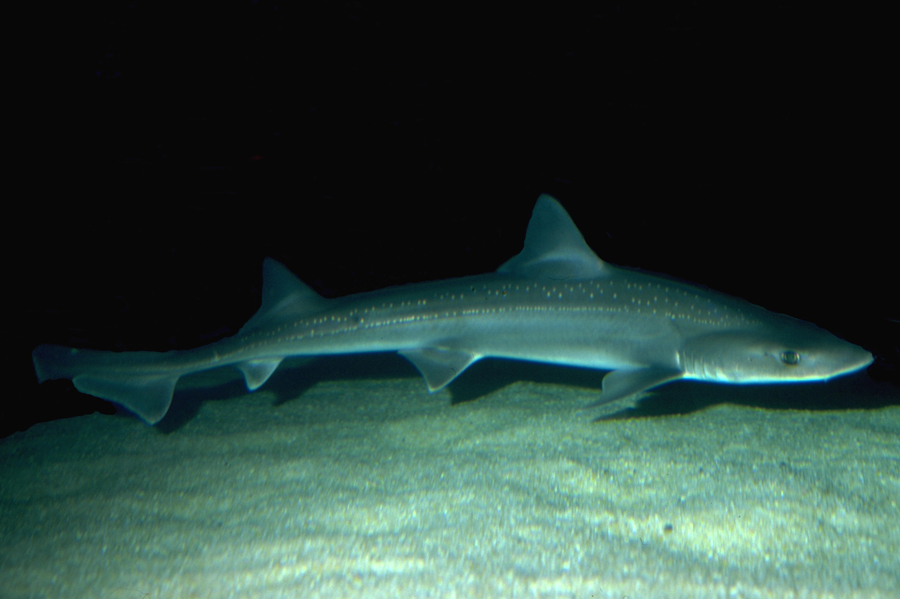
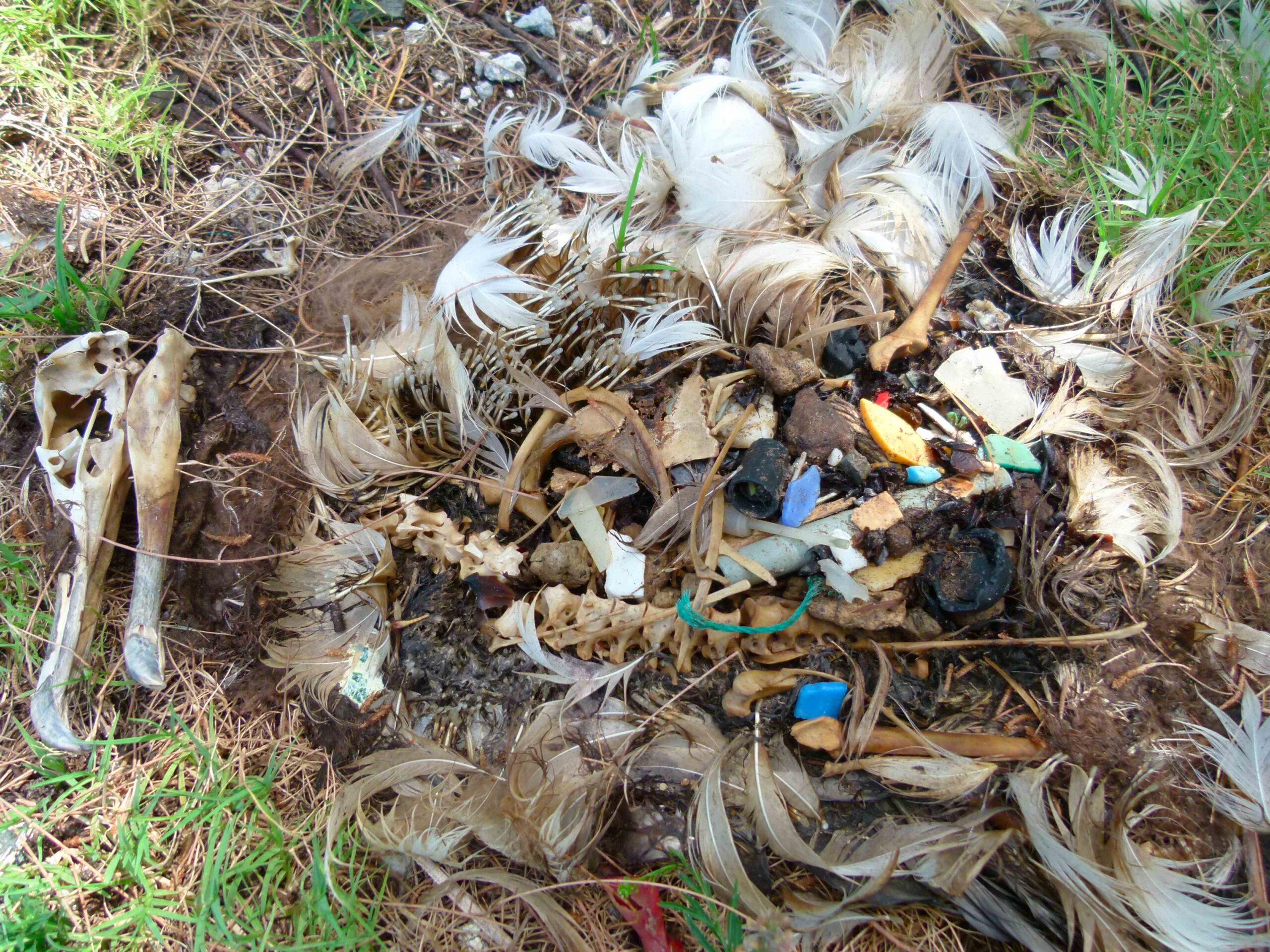
Plastic pollution is a strong focus in marine environmental research and yet, data relating to plastic ingestion in sharks that are commercially caught or considered bycatch, are relatively scarce. This is especially true in the Bass Strait, between Lutruwita/Tasmania and the Australian mainland.
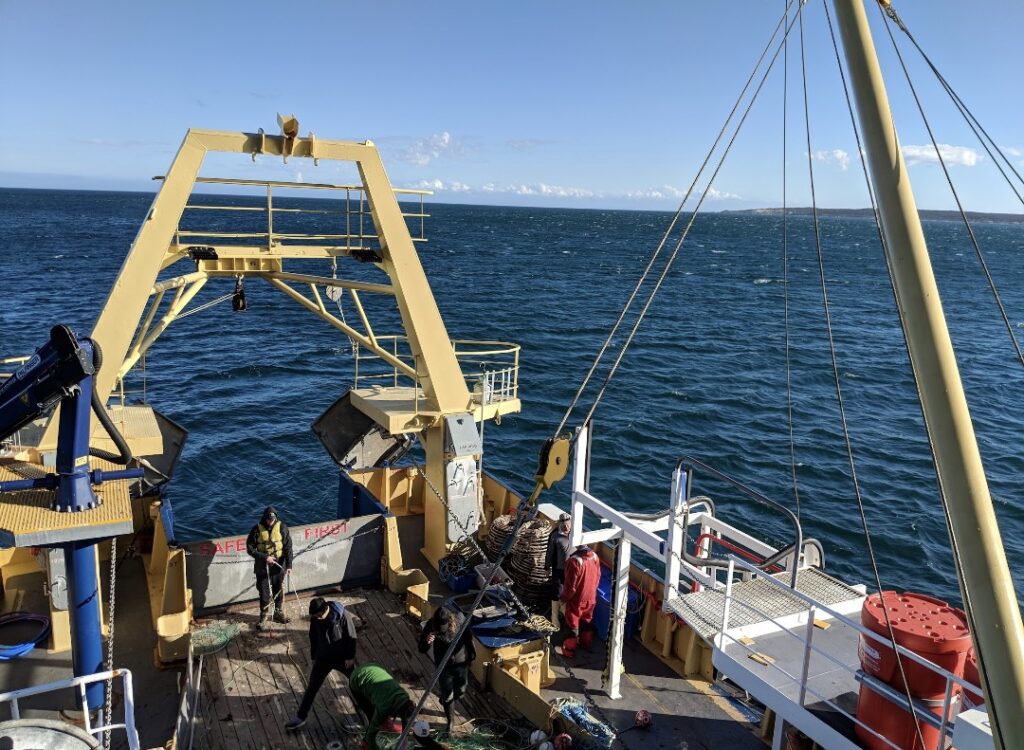
In a study published in Marine Pollution Bulletin, we examined the gastrointestinal contents of 44 juvenile sharks; gummy shark (Mustelus antarcticus), southern saw shark (Pristiophorus nudipinnis), and elephant shark (Callorhinchus milii). These animals were collected as bycatch from demersal trawl and longline fishing in September 2018. Fortunately, we found no plastic (>1 mm in size) in any of the specimens, which is an increasingly rare outcome. This suggests pelagic elasmobranchs in this region may have lower exposure to plastic pollution.
This study establishes an important baseline that can be used to monitor any changes over the decades ahead, including the potential impact of new waste management regulations. This is especially the case when species like gummy shark are caught commercially and sold for human consumption (as “flake”), which can pose risks to human consumers if plastic exposure in the sharks increases. Continuous reporting to detect any emerging trends in plastic exposure in shark species is required.
We’re deeply thankful to Detached Cultural Organization, the University of Tasmania Dean’s Scholarship (awarded to VN), Dr Mike Williams and David Milne for supporting this work.
Recent news posts

Subscribe for updates
Keep up to date with what we’re working on! We’ll send you emails about the lists you opt in to, and you can unsubscribe at any time.