Community Science
Science depends on observation — and observation doesn’t stop at the boundary of the research team.
Some of the most valuable data in ecology comes from people who are simply paying attention: walking a beach, watching a bird, noticing something unusual and knowing what to do with that information.
Adrift Lab coordinates several citizen science programmes that connect public observations directly to our research. No scientific background is required. What we need is your eyes, and your willingness to record what you see.
Report a Beached Bird
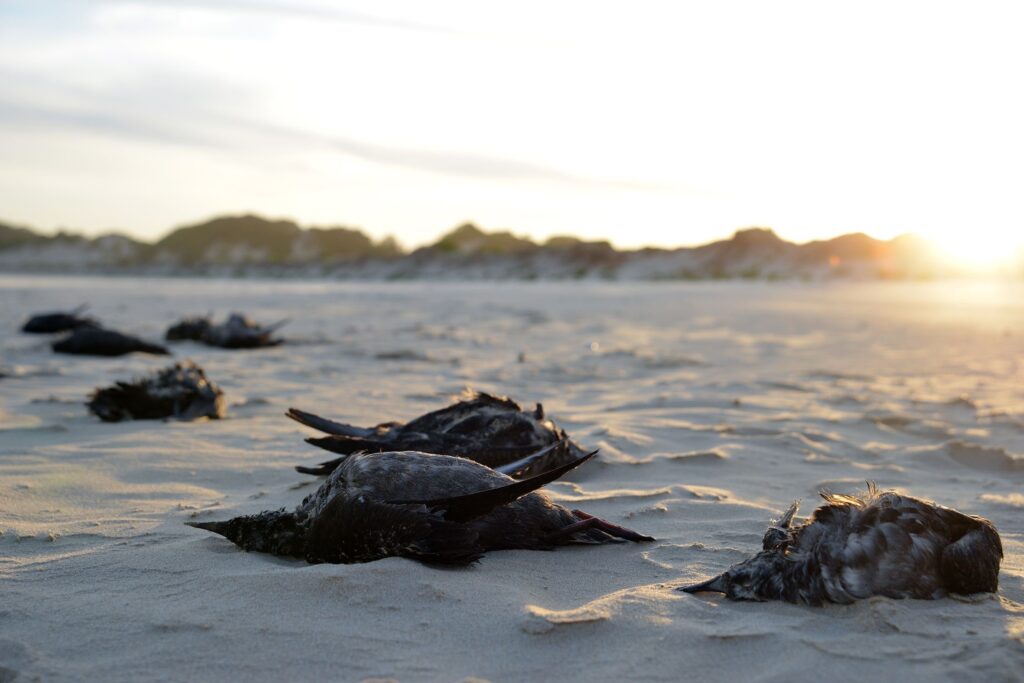
If you find a dead or dying seabird on a beach in Australia, you can contribute to our research by submitting a report. Beach-cast seabird data helps us understand mortality patterns, the geographic distribution of at-risk populations, and the condition of birds at the time of death.
We accept reports from across Australia’s coastline. The submission form asks for location, date, a description or photograph of the bird if possible, and any other relevant observations. Every submission is reviewed by our team and contributes to a growing dataset.
Why does this matter? Because beach-cast birds are a window into what is happening at sea. A bird found on a beach in Tasmania may have spent its life ranging thousands of kilometres across the Southern Ocean. What we find in its body tells us something about that entire range.
Report a Banded Booby — Pitcairn Island
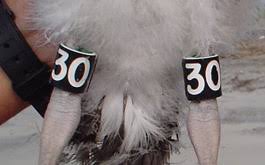
Adrift Lab is currently running a banding programme for Masked Boobies (Sula dactylatra) on the Pitcairn Islands, one of the most remote island groups in the world. If you are visiting or living on Pitcairn and you spot a bird wearing a coloured leg band, we want to hear from you.
Resightings of banded birds give us information about survival, site fidelity, and movement that we cannot get any other way. A single resighting of a known individual — recorded with the band number, date, and location — can contribute meaningfully to our understanding of this population.
Stay Involved
Citizen science programmes may expand as our research does. If you’d like to be kept informed about new opportunities to contribute — including potential future programmes around beached debris, seabird colony counts, or other community monitoring — sign up for our newsletter and select the updates most relevant to you.