Partner with us
Adrift Lab’s model is built on partnership. We have never operated from within a single institution or relied on a single source of funding — and we think that’s a strength, not a limitation.
It means we bring genuine independence to the science we produce, and it means that the people and organisations who work with us are collaborators in the fullest sense, not just funders or data sources.
We are actively looking for partners across several distinct areas. This page is for anyone who wants to understand what collaboration with Adrift Lab looks like in practice.
Scientific Collaborators
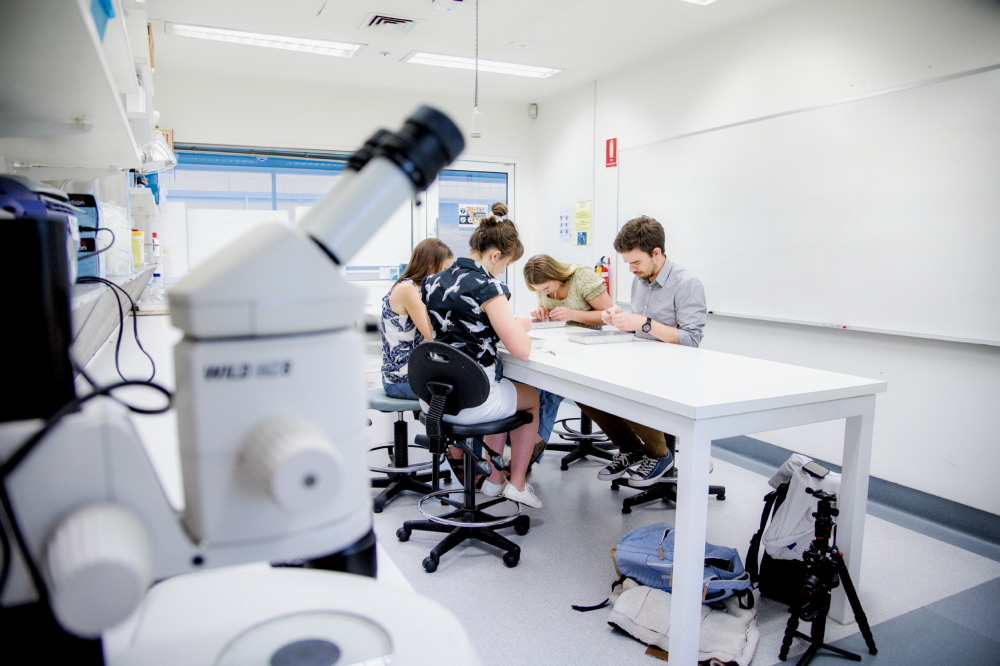
We work with researchers across ecology, toxicology, medical science, statistics, and allied fields. Our team already spans institutions in Australia, the United Kingdom, Aotearoa New Zealand and beyond, and we are always interested in hearing from researchers whose work overlaps with ours — particularly in the areas of sub-lethal plastic effects, seabird ecology, remote island conservation, and contaminant transfer in food webs.
We offer access to some of the longest-running marine pollution datasets in the world, field sites of exceptional ecological significance, and a genuinely collaborative team culture. We often have data and samples already in hand, and we actively look for research partners who want to help us analyse and publish findings.
If you are a researcher at any career stage with relevant expertise or data, and you think there might be common ground, we’d like to hear from you.
Artists and Creative Practitioners
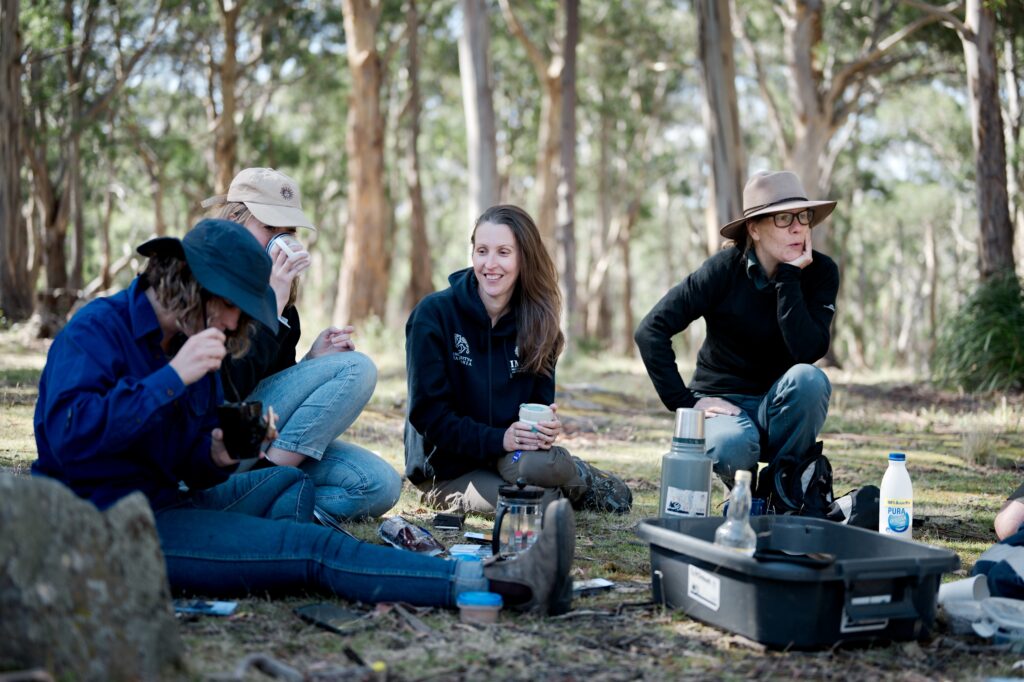
Ocean science and visual art have a long-shared history, and we think there is a great deal of that work still to be done. We have collaborated with artists on illustrated scientific communication, fundraising projects, and public-facing work that reaches audiences no academic paper ever will.
If you are an artist, illustrator, filmmaker, or other creative practitioner with an interest in marine plastic pollution, seabirds, or remote ocean environments, we are genuinely open to conversation about what collaboration might look like. We don’t have a fixed model — the best collaborations have come from genuine curiosity on both sides.
Philanthropists and Funders
Adrift Lab has been sustained, from the beginning, by a small number of philanthropists and community donors who understood that rigorous, independent, long-term science requires exactly that kind of support. Two decades of work, more than 130 publications, and discoveries that have changed how the scientific community understands plastic pollution — all of it built on relationships, not grant cycles.
We are transparent about how funding is used, and we provide regular updates — formal reports if required, or simply the news section of this website and direct correspondence. We want you to be able to see what your support makes possible not just at the end of a project, but throughout the process. If you are considering significant support and want to understand more about our work, our priorities, and our plans, we would welcome that conversation.
Charitable status in the UK is pending. In the meantime, donations are directed through our institutional partner, Charles Sturt University, and are tax-deductible. More information on the Donate page →
NGOs and Environmental Organisations
We have existing partnerships with Living Ocean, and we are open to relationships with other NGOs and environmental organisations whose priorities align with ours — particularly around marine plastic policy, seabird conservation, and ocean health communication.
We can offer scientific expertise, published evidence, access to our datasets, and genuine co-authorship of research outputs. We are not a consultancy — we are a research cooperative, and we bring that ethos to every formal partnership we enter.
Get in Touch
Whatever kind of collaboration you have in mind, the best first step is a conversation. Tell us a little about who you are and what you’re thinking about, and we’ll respond promptly.