Beyond counting plastics: What blood can tell us and what it still cannot
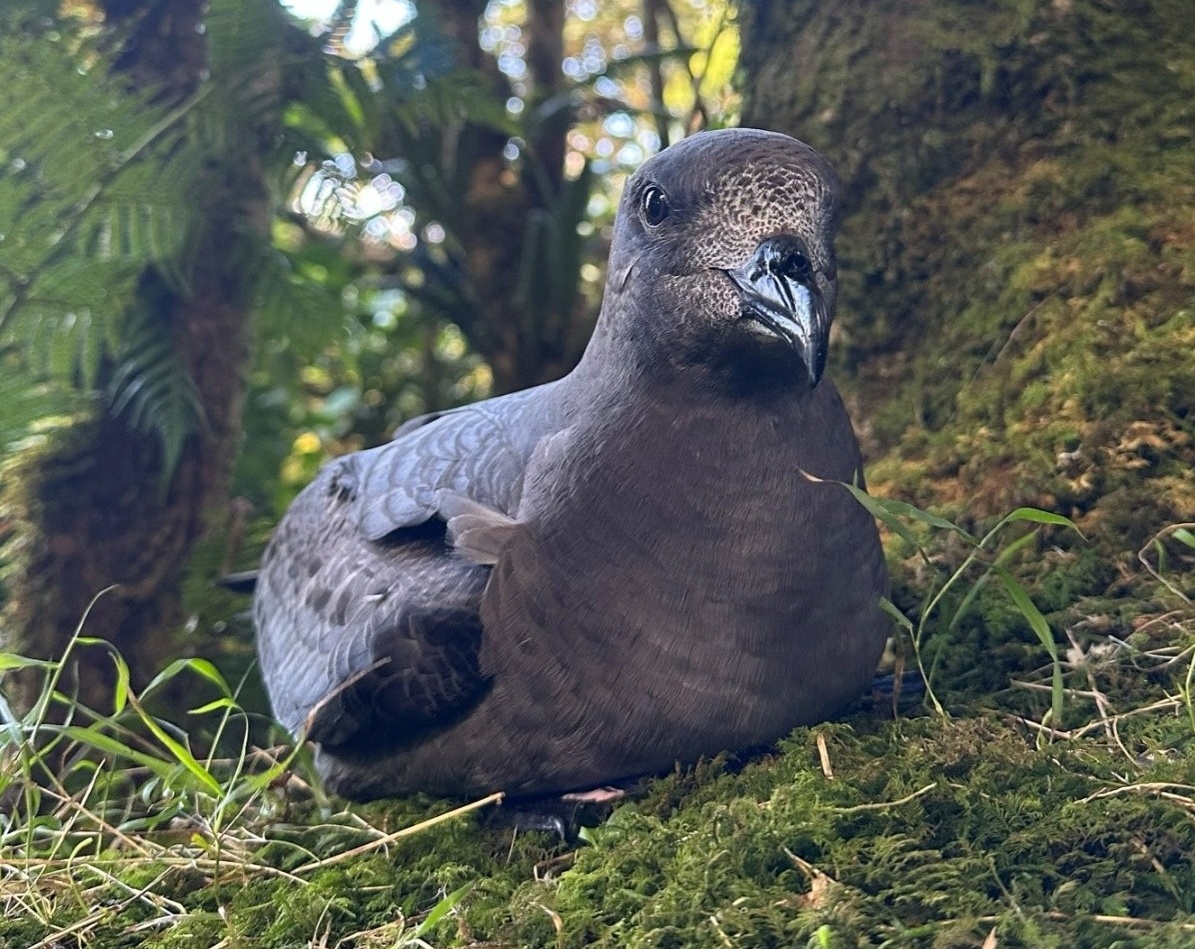
Plastic pollution is now a familiar part of the marine environment, but many of its biological effects remain difficult to see. For seabirds, plastic ingestion has been documented from the 1960s through stomach contents, necropsies, and field observations. These approaches have been essential for understanding the scale of this problem, but they often tell us what an individual has ingested rather than what harm that plastic is causing.
This is an important distinction, because much of the harm caused by plastics is invisible, taking place within tissues and cells. Affected individuals aren’t always washed up on a beach with a belly full of rope and bottle caps; instead, they’re still alive…but suffering. At present, we do a poor job of measuring this ‘invisible’ harm because we lack methods that can be used while animals are still alive.
In our new paper published in Environmental Research, we address this gap by building on our previous research showing that plastic ingestion can leave measurable signatures of harm in seabirds. We asked whether changes in blood-based proteins (i.e., signatures) could be used more broadly as a biomonitoring tool for environmental pollution across Procellariiformes, the group of seabirds most heavily impacted by plastic ingestion.
Rather than simply asking whether a bird has ingested plastic, this approach allows us to ask what plastic may be doing inside the body. By looking at proteins circulating in blood plasma, we can detect biological responses associated with exposure, including inflammation, organ damage, and signs of plasticosis. In doing so, this work developed a blood-based biomarker that can help identify plastic-associated harm across a range of seabird species.
Young seabirds provide a particularly important window into the impacts of plastic ingestion. During development, which is often less than 100 days, chicks are fed by their parents and can accumulate plastics in their stomach. The consequences of being fed this plastic are deeply concerning; exposure during development negatively affects body condition, organ function, and brain health, all of which are needed for survival at sea.
As a minimally invasive tool, this biomarker could allow researchers to screen a wider range of seabird species and identify plastic exposure while birds are still alive. In this way, seabirds can continue to act as sentinels of ocean health, providing an early-warning system for the hidden biological consequences of plastic pollution. Developing tools that can reveal this harm is essential is we want to understand the true cost of this pollution and respond before its impacts are only visible through mortality.
Recent news posts



Subscribe for updates
Keep up to date with what we’re working on! We’ll send you emails about the lists you opt in to, and you can unsubscribe at any time.