Disability in the environmental sciences
Working in the environmental sciences (and academia) can be emotionally taxing as many species and habitats decline despite our best efforts, and workplaces becomes increasingly more competitive, overburdened with admin, risk-averse, and focused on metrics.
At Adrift Lab, we strive to create safe(er) spaces where folks from diverse backgrounds are welcome and supported, and professional happiness is at the core of everything we do.
Over the past 20 years, much of Adrift Lab’s work on Lord Howe Island has been underpinned by our ability to apply uniquely numbered metal bands to the legs of young seabirds so that we can track the growth and success of individual birds over time. Jenn holds our ABBBS banding license, and has been the one the apply many thousands of bands to the birds’ legs. Each member of our team plays an essential role, and this has been one of Jenn’s.
Jenn has a disability that affects her hands, and it’s getting worse with each passing year. Some days she is unable to open the lid on a bottle, or type on the computer. Writing research articles and providing students and collaborators with written feedback is a big part of being a scientist, so this has been a significant challenge. In 2025, things got even stickier when it became difficult to squeeze closed the pliers we use to apply the metal bands to the birds’ legs.
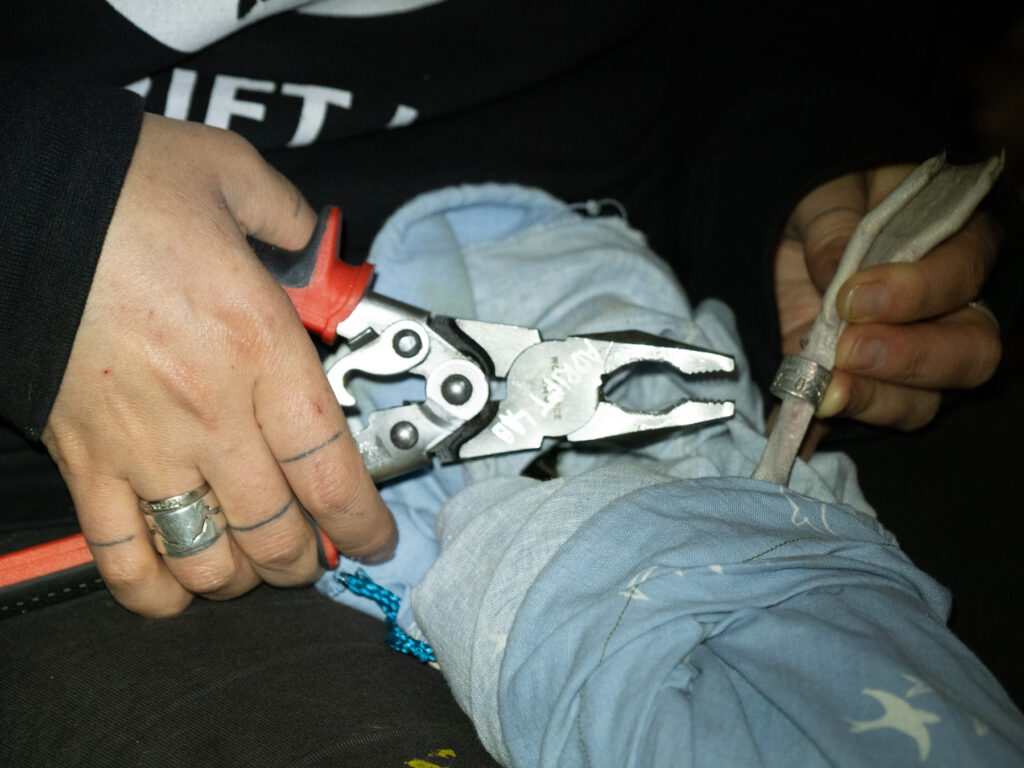
Such loss of ability would be difficult for anyone to accept, but Jenn is fortunate to be surrounded by an amazing team.
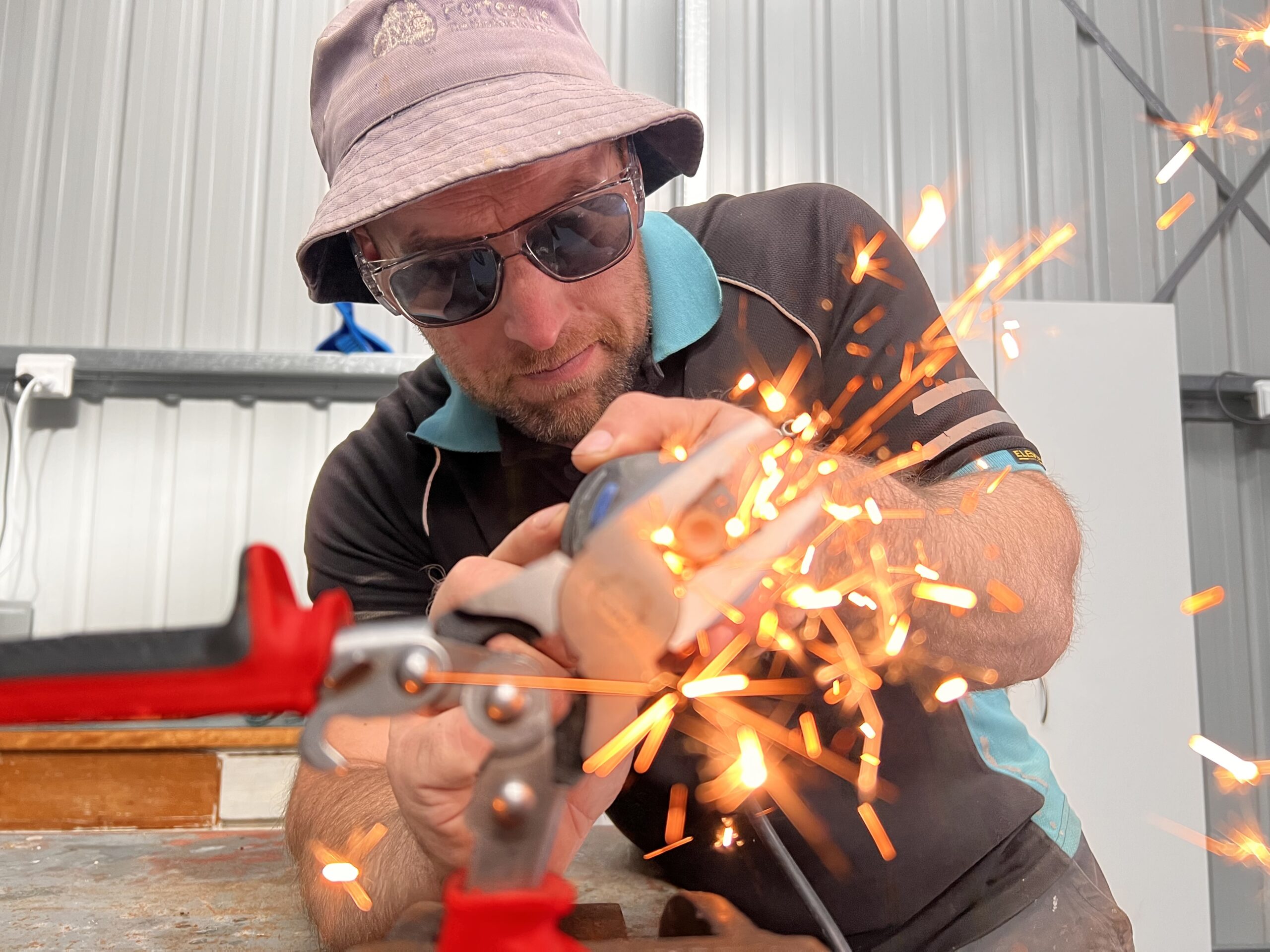
Andrew (Adrift Lab’s tradie ‘in residence’) jumped into action, sourcing a pair of leveraged pliers that help take some of the pressure off Jenn’s hands. As the pliers were purchased off-the-shelf, they did not fit the bird bands. Andrew used a small grinder to widen and shape the opening to suit the specific bands we use. Meanwhile, Alex applied for his own banding license so that Jenn has back-up support on the island. Together, these two changes were relatively small and easy to make, but they’ve made a world of difference to the sustainability of our field program.
Inclusive spaces create opportunities, not barriers. The onus is on us to create safe spaces for diverse people to thrive in. It is not difficult, but it makes all the difference.
Recent news posts

Subscribe for updates
Keep up to date with what we’re working on! We’ll send you emails about the lists you opt in to, and you can unsubscribe at any time.