Remote islands are biodiversity strongholds, but they’re also vulnerable to fire
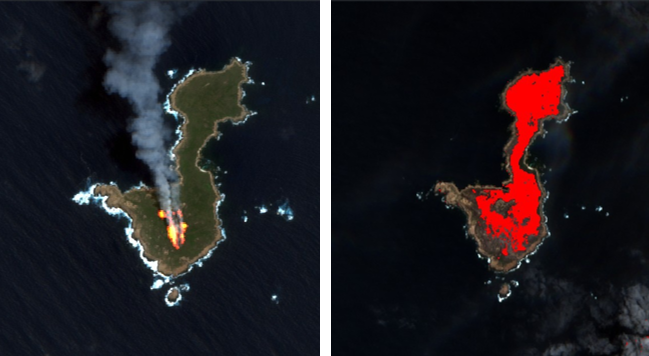
In our newest research article, we document lightning-ignited #bushfires on islands from the sub-Antarctic to the tropics. These islands are of global biodiversity importance, and without intervention, fire events can burn large portions of islands, with catastrophic consequences for flora and fauna, including #seabirds.
Study sites: we use five case studies to demonstrate the consequences of fire at globally recognised seabird breeding colonies around the world: #WesternAustralia (2), the #FalklandIslands (2) and #Madeira (1). Each of these occurs in a different climate zone, demonstrating the prevalence of fire as a global threat.
Results & recommendations: Faster detection and response to fire would likely have resulted in significantly reduced loss of wildlife and habitat. Given the rate of global extinction, a higher priority and resource allocation towards fire detection, monitoring and response is needed for remote islands #phdlife#DryLightning#ClimateChange#birds
Read the article (and view more of our incredible imagery): https://doi.org/10.1016/j.biocon.2026.111859
Congratulations to Amy Steel – this is the first paper from her PhD thesis. A huge achievement, and a very special day. Gratitude to our project partners and supporters, including Falklands Conservation, some generous folks in Kepa Kurl/Esperance, and numerous staff at Curtain University.
Caption for the photos above: Figure of Eight Island in Western Australia catches fire after being struck by lightning on 17 Feb 2020 (left panel), around 80% of the island has burned as of 8 Mar 2020 (right panel).
Recent news posts


Subscribe for updates
Keep up to date with what we’re working on! We’ll send you emails about the lists you opt in to, and you can unsubscribe at any time.