New study on life-stage variation in Sable Shearwaters
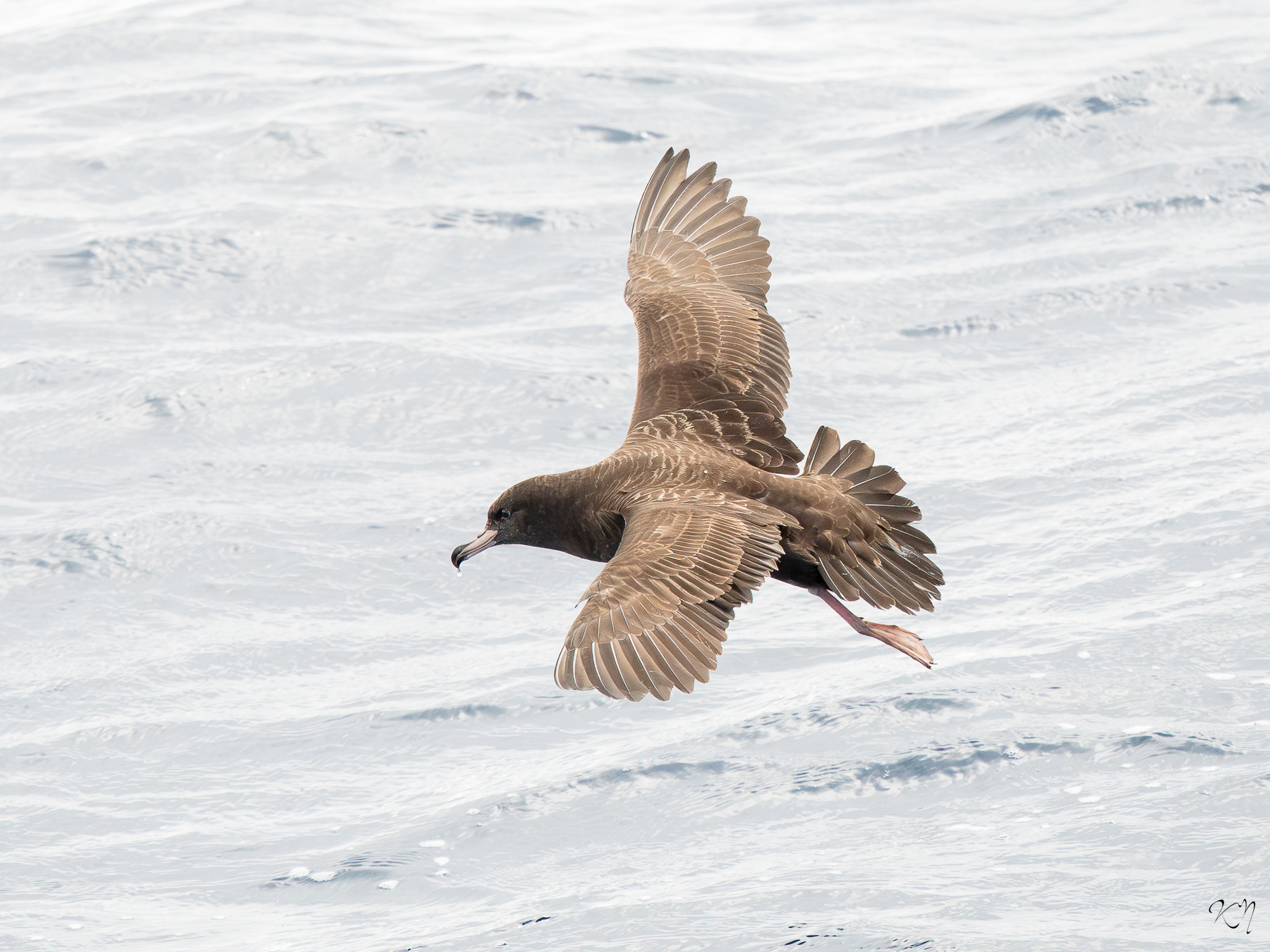
Photo by Kim Norris, Esperance Bird Observers Group
A new study from Adrift Lab used a blood sample to examine how physiology differs between fledgling and adult Sable Shearwaters, providing new insight into the molecular processes that support seabird development, migration preparation and recovery, and breeding.
Sable Shearwaters are a long-lived migratory seabird that spend much of their lives at sea. Across their lifecycle, they experience very different physiological demands. Fledglings are rapidly completing growth, within 90 days from hatching they must complete growth, develop flight capacity, build energy reserves, and leave the colony for their first flight to begin an independent migration with no parental guidance. Adults, in contrast, have completed development and are managing the ongoing demands of migrations, body maintenance and repair, and preparation for breeding.
These differences are not always clear from the outside body mass, wing length, and general condition can provide useful information, but they cannot fully reveal the biological processes occurring inside the body. To do this, we used proteomics to measure the proteins present in a blood sample from chicks and adults. Proteins play essential roles in growth, metabolism, immune function, tissue repair, and organ function. By examining these together, proteomics can provide a broad picture of physiological state.
This work is important because understanding natural physiological variation is a key step in conservation. Sable Shearwaters experience some of the highest recorded rates of plastic ingestion of any seabird, and we have documents that plastic can have serious impacts on their health. Before we can confidently identify when individuals are physiologically stressed, diseased, or affected by plastic pollution and other environmental pressures, we need to understand what healthy variation looks like across different life stages.
By showing that plasma proteins can resolve clear physiological differences between young and adult seabirds, this study highlights the value of proteomics as a tool for wildlife health and conservation physiology. It provides an important molecular baseline for future work investigating how Sable Shearwaters respond to plastic ingestion, disease, changing ocean conditions, and other pressures. In doing so, this work helps build the foundation needed to detect hidden, sublethal effects before they become visible through declines in body condition, survival, or breeding success.
Recent news posts


Subscribe for updates
Keep up to date with what we’re working on! We’ll send you emails about the lists you opt in to, and you can unsubscribe at any time.